Southern
Homemade Biscuits
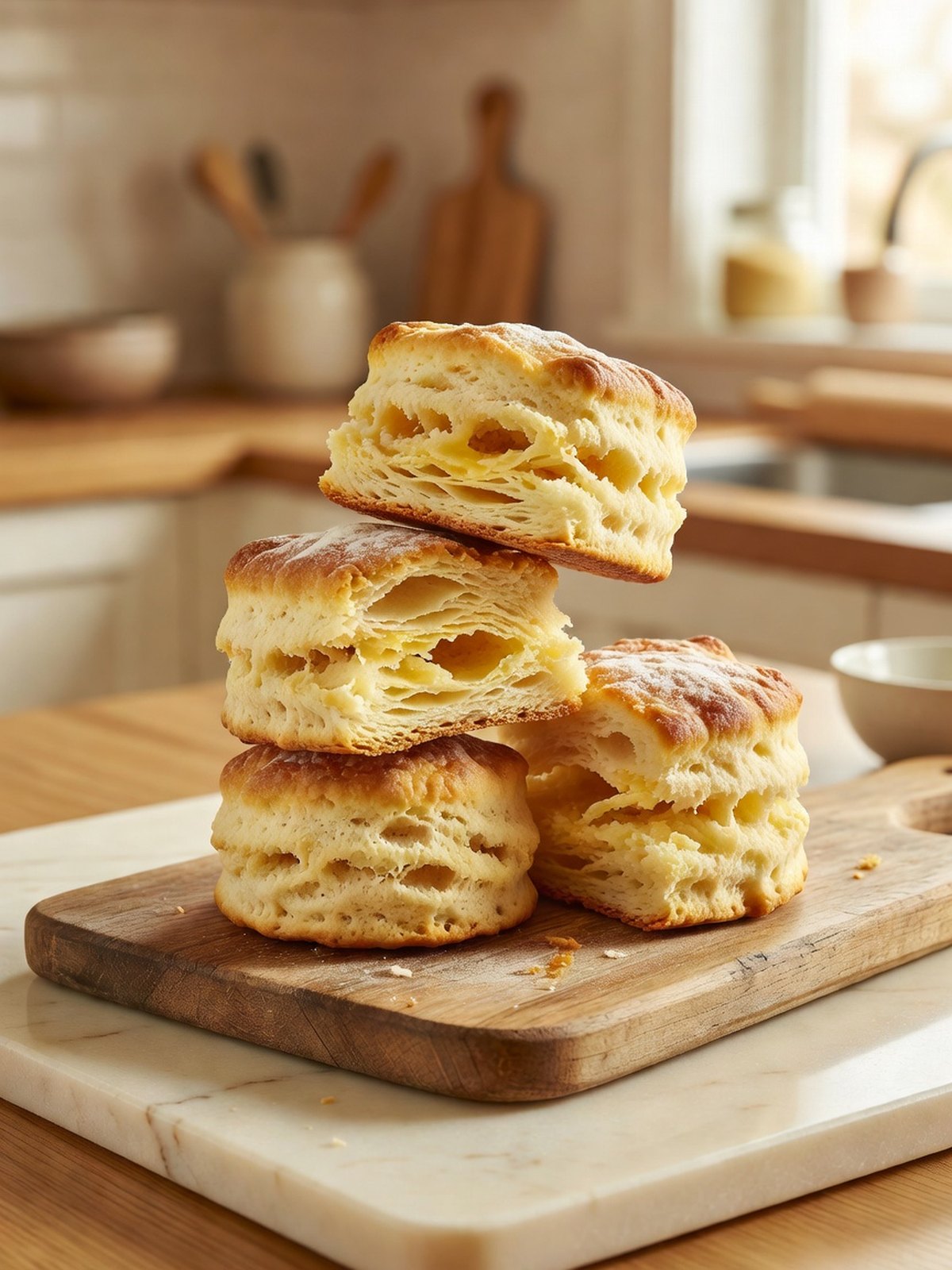
Flaky buttermilk biscuits come together with cold butter and a light hand. They bake high and golden, with a soft center that is fully cooked.
- Prep
- 20 min
- Cook
- 16 min
- Total
- 36 min
- Servings
- 8
- Difficulty
- Medium
Why you’ll love it
- Cold butter, not melted, is what makes the layers.
- A short fold builds flakes without turning the dough into bread.
- A hot oven sets the rise before the butter leaks out.
- The center should be cooked through, not gummy, when the tops are deep golden.
Ingredients
Ingredient amounts scale. Oven temperature and cook time do not. Salt, spices, and leaveners are a starting point after you scale. Taste and adjust.
Check the ingredients you still need, then add them. If nothing is checked, the full list is added. Saved on this device.
Instructions
- 1
Heat the oven to 450°F. Line a sheet pan with parchment.
- 2
Whisk the flour, baking powder, sugar, salt, and baking soda in a bowl.
- 3
Cut the cold butter into the flour with a pastry cutter or your fingertips until the pieces are pea-sized. Leave some bigger flakes.
- 4
Pour in the 3/4 cup buttermilk. Stir with a fork until a shaggy dough forms. Do not eat the raw dough.
- 5
Turn the dough onto a floured counter. Pat it into a 1-inch-thick rectangle. Fold it in thirds, then pat it to about 3/4 inch thick.
- 6
Cut straight down with a 2 1/2-inch cutter. Do not twist. Press the scraps together once and cut again. You should have 8 biscuits.
- 7
Set them on the pan so the sides almost touch. Brush the tops with the remaining buttermilk.
- 8
Bake 14 to 16 minutes, until the tops are deep golden and the centers are set, not doughy. A biscuit broken open should look flaky and cooked through.
Pro tips
- If the kitchen is warm, chill the cut biscuits 10 minutes before baking so the butter stays solid.
- Twisting the cutter seals the edges and they will not rise as high.
- Bake them close together if you want soft sides, or an inch apart for crisper edges.
Easy substitutions
- buttermilk
- 3/4 cup milk plus 2 tsp lemon juice, rested 5 minutes
- unsalted butter
- cold salted butter, and use 1/2 tsp salt in the dough
- all-purpose flour
- white whole-wheat flour for a nuttier biscuit
Storage and reheating
Storage
Keep covered at room temperature up to 2 days. Freeze baked biscuits up to 2 months.
Reheating
Warm in a 350°F oven for 6 to 8 minutes. A microwave softens the layers, so use only 10 seconds if you are in a hurry.
Nutrition
Estimates per serving, using standard ingredient averages and rounded to the nearest gram. This is not a lab analysis, and it shifts if you change brands or add sides.
- Calories
- 231
- Protein
- 5 g
- Carbs
- 28 g
- Fat
- 11 g
- Fiber
- 1 g
Budget friendly · Oven
You might also like

Croissant Breakfast Sandwiches
Warm croissants are filled with scrambled eggs, heated ham, and melted cheddar. The eggs are cooked until no liquid remains so the sandwich is fully set.
26 min · Easy
View recipe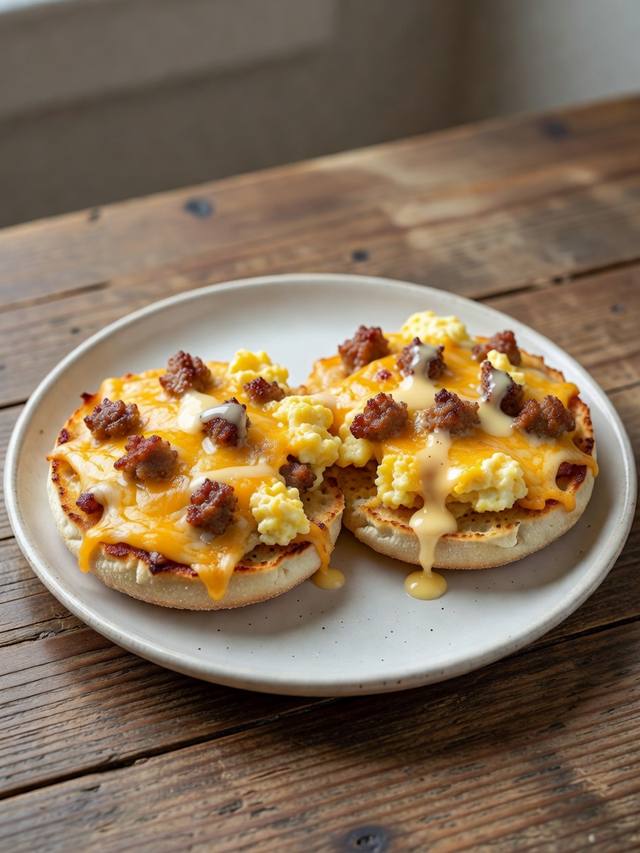
English Muffin Breakfast Pizzas
Split English muffins become mini pizza bases topped with marinara, scrambled egg, sausage crumbles, and mozzarella. They bake until the cheese bubbles for a playful brunch plate.
30 min · Easy
View recipe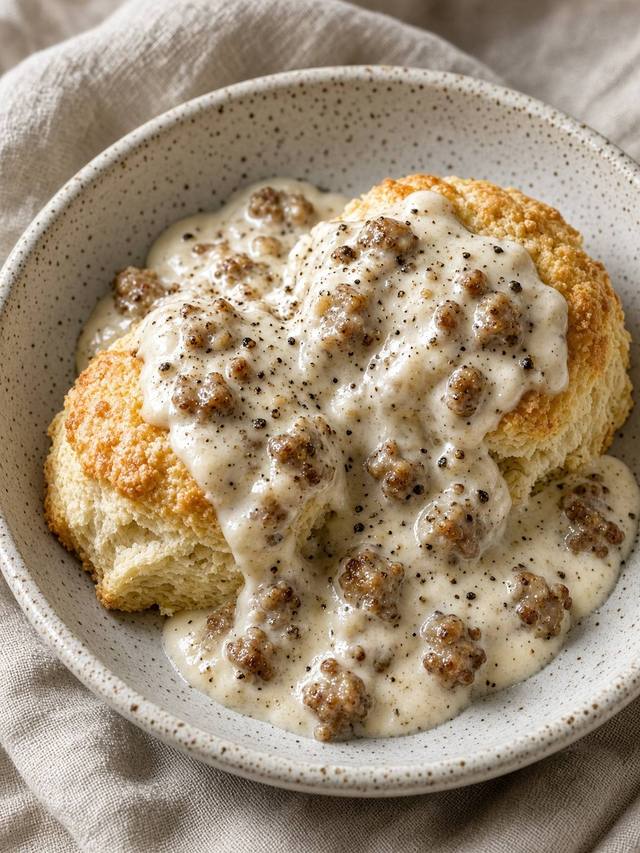
Sausage Gravy Bowls
Breakfast sausage crumbles in a skillet, then milk and flour turn the drippings into peppery gravy for split biscuits. It is a bowl, not a diner plate you have to assemble standing up.
23 min · Easy
View recipe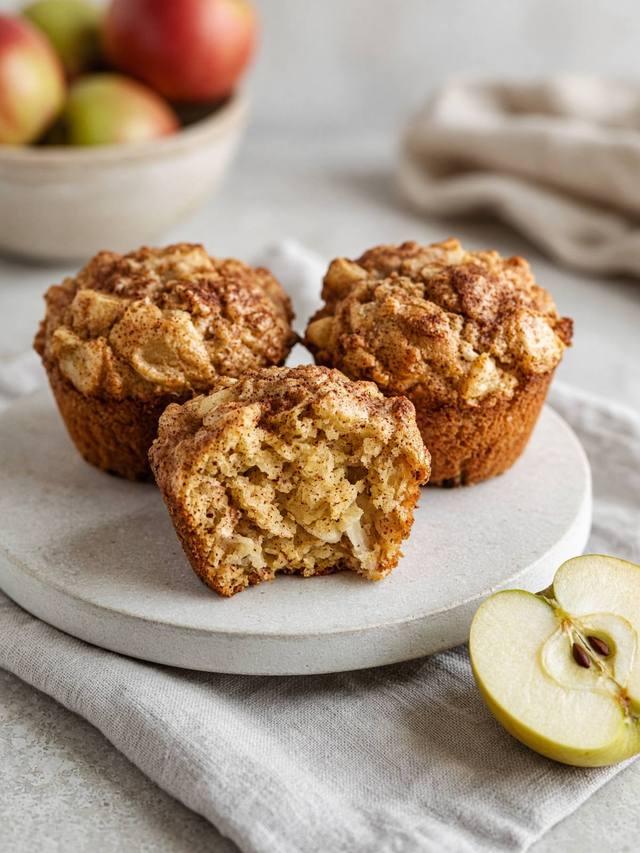
Apple Cinnamon Muffins
Shredded apple bakes into a cinnamon muffin that stays moist without a glaze. They are a grab-and-go breakfast, not a cupcake pretending to be one.
35 min · Easy
View recipeStill hungry?
More in the same lane, not a random mix.
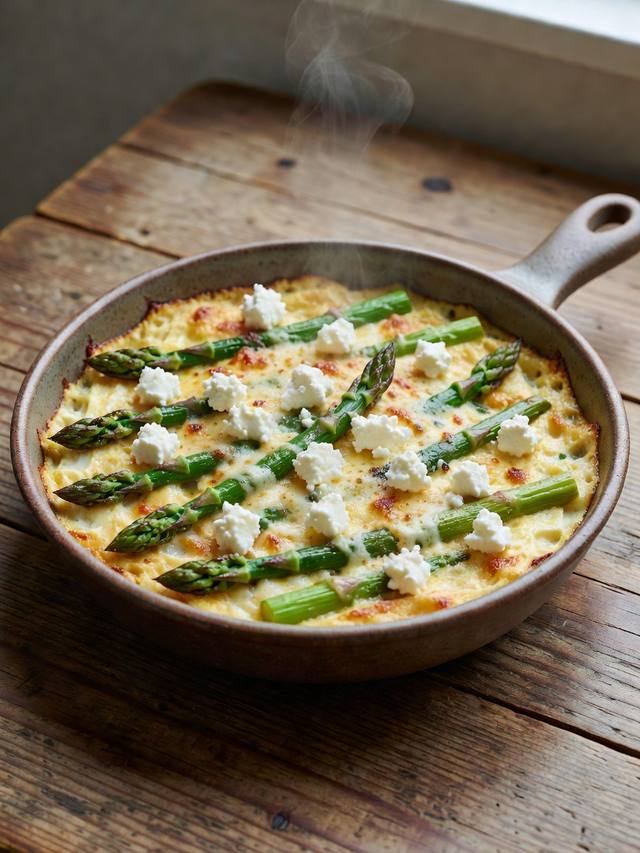
Asparagus Feta Egg Bake
Chopped asparagus and crumbled feta bake under a simple egg custard until just set. Slice into squares for a make-ahead brunch tray.
45 min · Easy
View recipe
Asparagus Gruyere Frittata
A stovetop-to-oven frittata folds tender asparagus and nutty Gruyere into fluffy eggs. It slices clean for a shareable brunch centerpiece.
34 min · Easy
View recipe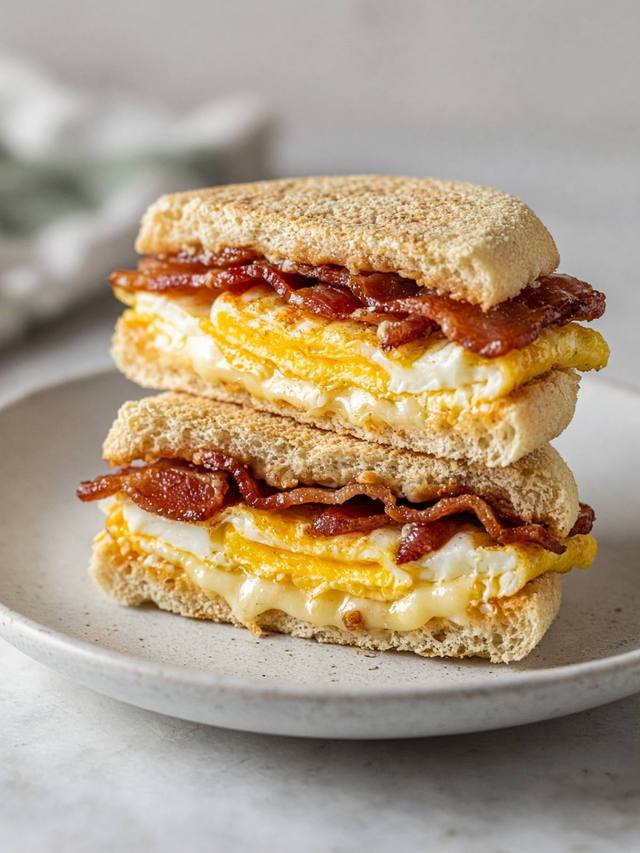
Bacon Egg and Cheese Sandwich
Thin-cut bacon and eggs share a 10-minute cook so the English muffins do not sit around and toughen. The cheddar melts from the heat of the egg, not from a long broil, so it softens more than it browns.
18 min · Easy
View recipe
Bagels with Lox
Toasted bagels get a thick layer of cream cheese, cold-smoked salmon, and the sharp extras that make a deli plate. Everything is assembled cold except the short toast.
23 min · Easy
View recipeFind something else
From the kitchen
Kitchen tools we love
Practical tools these recipes actually use. This is not a review roundup, and these are not paid placements. If affiliate links are added later, they will be labeled and disclosed.
A heavy 12-inch skillet
Most of the chicken and steak recipes are written for one pan that holds heat. Stainless or cast iron both work.
An air fryer with a real basket
The air-fryer recipes expect a single layer. A crowded basket steams instead of browning.
A half-sheet pan
Drumsticks, potatoes, sausage, and carrots all use one. A dark pan browns faster than a very shiny one.
A sharp chef’s knife
These recipes do not need a specialty blade. A sharp 8-inch knife is faster and safer than a dull one.
A large cutting board
Big enough that the onion and the raw chicken are not sharing the same puddle.
Dry cups and a liquid cup
Desserts in particular expect level dry measures and a separate cup for milk.
An instant-read thermometer
Use it for poultry, pork chops, and meatloaf. Color is a weak guide.
Read the affiliate disclosure.